
Struggling with belly fat, energy crashes or sugar cravings after 40? These subtle signs of insulin resistance are often missed in perimenopause.
Many women in their 40s start noticing subtle changes in their bodies. The weight that used to shift easily suddenly becomes stubborn. Energy dips appear mid-afternoon. Sugar cravings feel harder to ignore. Sleep becomes lighter and more fragmented.
It’s easy to chalk this up to ageing or “just hormones.” But in many cases, these symptoms are early signs of insulin resistance - a metabolic shift that becomes increasingly common during perimenopause.
Insulin resistance can develop quietly for years before it shows up as abnormal fasting glucose or HbA1c on routine blood tests. Because tests like fasting insulin or HOMA-IR aren’t always included in standard panels, early insulin resistance is often overlooked. Understanding the signals early can help you support your metabolism before more significant issues develop.
What Is Insulin Resistance?
Insulin is a hormone produced by the pancreas that helps move glucose from the bloodstream into your cells, where it can be used for energy.
When the body becomes insulin resistant, cells stop responding as effectively to insulin’s signal. To compensate, the body produces more insulin to keep blood sugar levels stable — and those elevated insulin levels gradually affect metabolism, energy regulation and fat storage.
Estrogen helps support insulin sensitivity, and lower estrogen levels are associated with increased abdominal fat and higher insulin levels. As hormone levels fluctuate during perimenopause, blood sugar control can become less stable, making insulin resistance more likely in midlife.
Early Signs Women Often Miss
Insulin resistance rarely appears overnight. Instead, it tends to show up as subtle metabolic changes that are easy to dismiss.
Stubborn Belly Fat
One of the earliest clues can be fat accumulating around the abdomen, even if your overall weight hasn’t changed dramatically. Insulin is a key fat-storage hormone. When levels remain elevated, the body tends to store more energy as fat - especially around the abdomen, where visceral fat accumulates. This type of fat is closely linked to metabolic health.
The Afternoon Energy Crash
If you regularly feel exhausted around 2–4pm, blood sugar fluctuations may be involved. For some women, a typical pattern looks like this: blood sugar rises after a meal, insulin is released, then blood sugar drops more quickly than the brain prefers, leading to fatigue and cravings. This can leave you feeling like you need coffee, sugar or carbohydrates just to get through the afternoon.
Strong Sugar or Carbohydrate Cravings
Many women blame themselves for lacking willpower when cravings appear. In reality, cravings are often a biological signal, not a character flaw. When blood sugar drops rapidly, the brain seeks quick sources of glucose - which is why sweet or refined carbohydrate foods become particularly appealing. This cycle can make healthy eating feel much harder than it used to.
Frequent Early-Morning Waking (Often 2–4am)
Night waking is often blamed on stress or hormonal changes, but blood sugar instability can also be a contributing factor. If blood sugar drops lower than your body is comfortable with overnight, stress hormones like cortisol and adrenaline may be released to help raise glucose. In some people, this counter-response can contribute to early-morning waking and a “tired but wired” feeling.
Brain Fog and Poor Concentration
Your brain relies on a steady supply of glucose, and research suggests that blood sugar swings can contribute to fatigue, low mood and cognitive symptoms like brain fog. Many women notice this particularly on busy workdays when meals are rushed or skipped.
Why It Becomes More Common After 40
Several metabolic shifts occur during midlife that make blood sugar regulation more challenging.
Hormonal changes:
Estrogen helps maintain insulin sensitivity, and lower levels are associated with increased abdominal fat and higher insulin levels. As perimenopause progresses, blood sugar control can become less stable.
Loss of muscle mass:
Muscle tissue is a major site of glucose uptake. Preserving and rebuilding muscle through strength training can significantly support insulin sensitivity in midlife.
Chronic stress:
Persistently elevated cortisol can raise blood glucose and, over time, contribute to insulin resistance — especially when combined with poor sleep and low activity.
For many women, this combination creates the feeling that their metabolism has suddenly “slowed down,” when in reality a combination of hormone shifts, changes in muscle mass and altered insulin signalling has changed how the body handles energy.
The Good News: Insulin Resistance Can Be Improved
The encouraging news is that insulin resistance often responds very well to targeted lifestyle changes. Simple strategies such as prioritising protein, regular strength training, balanced meals and adequate sleep can meaningfully support insulin sensitivity for many women. The key is identifying the metabolic drivers early, rather than relying on restrictive dieting approaches - such as very low calorie or yo-yo dieting - that often make blood sugar instability worse.
Wondering If Your Metabolism Needs Support?
If you’re over 40 and noticing symptoms like stubborn belly fat, energy crashes, sugar cravings or broken sleep, your metabolism may be asking for support. If you’re concerned about insulin resistance or changes in weight, energy or mood, it’s worth discussing this with your GP or health practitioner and asking about appropriate blood tests.
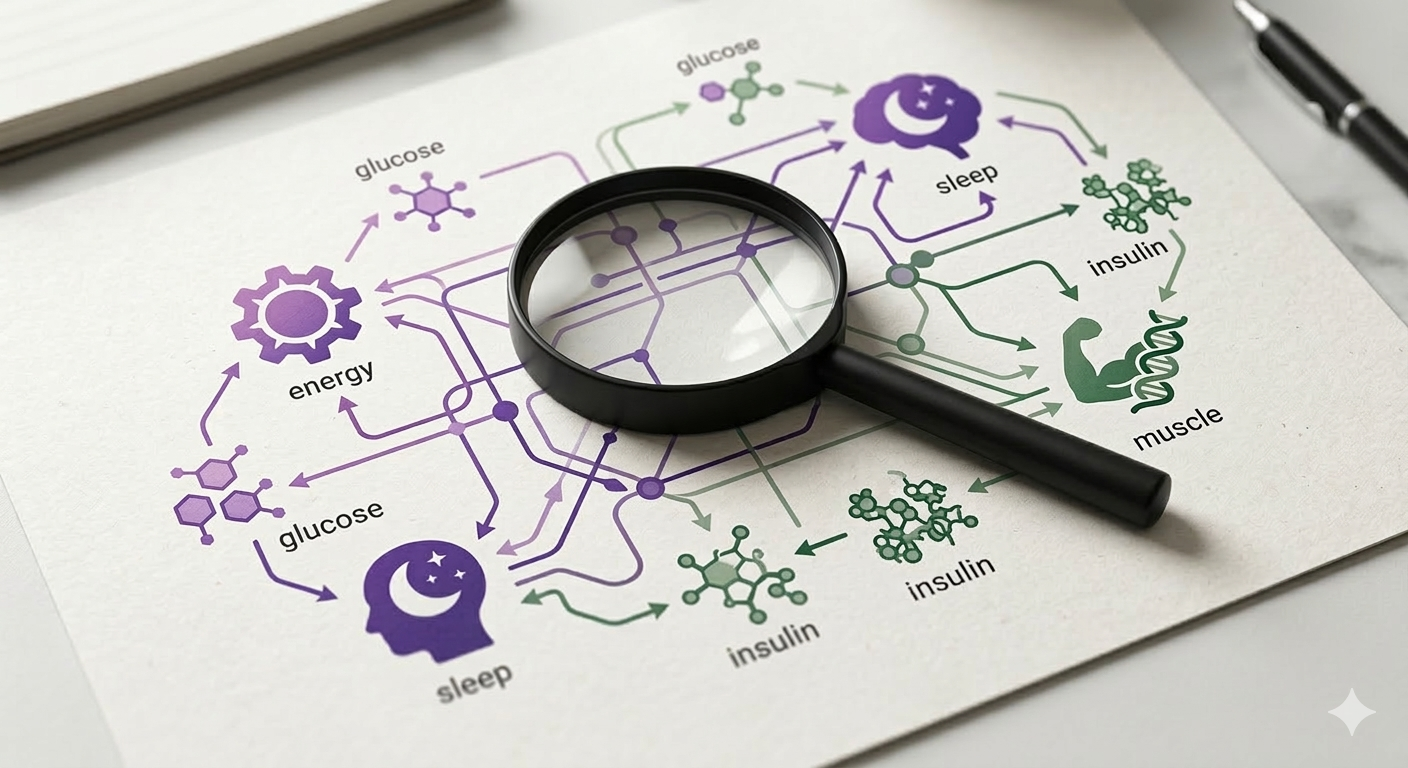
You can also take the Metabolism Detective Quiz to uncover the hidden drivers behind your symptoms and learn what your body may need next. Click on the separate “Metabolism detective”tab on my homepage for more information.